RGone Wild CEI rimanda al tema della protezione, del ripristino e dell’estensione delle grandi aree naturali europee, comprese le wilderness e le wild areas, secondo un approccio fondato sulla non-intervenzione e sulla gestione attraverso i processi naturali. Nel materiale disponibile, il riferimento principale è la Wild Europe Foundation, una rete europea che promuove strategie coordinate per la conservazione degli ecosistemi naturali di grandi dimensioni.
La Fondazione non è un organismo associativo basato su una struttura di membri, ma una rete di organizzazioni e singole persone che condividono principi fondamentali, collaborano alla rappresentanza congiunta e sviluppano partenariati progettuali. I suoi collegamenti si estendono oltre il settore ambientale e comprendono interessi forestali, agricoli, imprenditoriali e sociali urbani.
Che cos’è Wild Europe
Originally established in 2005, the Foundation promotes a coordinated strategy for protection and restoration of large natural ecosystem areas (wilderness and wildlands), addressing the threats and opportunities facing them. Wild Europe was formally launched in 2009 at an EC Presidency conference in Prague with Vaclav Havel, former Czech President and author of the ‘Velvet Revolution’.
We became a Foundation in 2022, registered as a Stichting under Netherlands law at the IUCN offices in Amsterdam. We are a network, rather than a membership body, comprised of organisations and individuals sharing the same basic principles with whom we liaise, provide joint representation and develop project based partnerships.
Its links reach beyond the environment sector to seek consensus with forestry, farming, business and urban social interests.
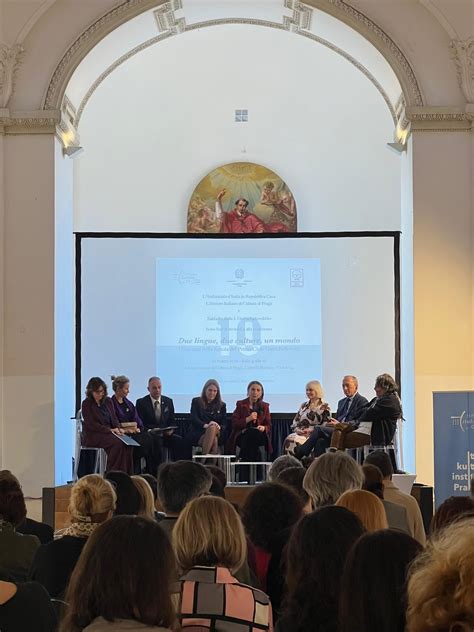
Origini e riconoscimento istituzionale
Vaclav Havel (centre) opens the 2009 EC Conference. To his left, Toby Aykroyd (Director, Wild Europe), Ladislav Miko (Environment Minister, Czech Republic). To his right, Mike Hammell (Acting Director, European Commission, DG Environment), Luc Marie Gnacadja (Executive Secretary, United Nations CCD).
The Wild Europe initiative was directly endorsed by a European Parliament Report in February 2009: “European Parliament calls on the Commission to accept the Wild Europe Initiative, a partnership of several nature conservation organisations including IUCN, IUCN-WCPA, WWF, Birdlife International and PAN Parks, with a strong interest in wild lands or nearly wild areas” (Report 2210 Section 16).
The initiative was recommended, in its present form, by an EC Presidency conference held in Prague in May 2009, attended by 238 participants from 36 countries.
Wild Europe spans the full range of countries in the European arena.
Obiettivi principali
Wild Europe’s Objectives
- To promote the protection, restoration and extension and linkage of large natural ecosystems (wilderness and wild areas) in Europe, according to principles of non-intervention, with management by natural process.
- To develop and support initiatives for this work, in liaison with a broadly based trans-European network of organisations and individuals having similar objectives.
- To support a range of wilderness area models for non-intervention, to be protected in perpetuity.
- To promote the multiple values of wilderness and wild areas in support of these objectives, through advocacy and other forms of representation, incentive, best practice sharing, training and general support.
- To encourage, on an occasional non-financial basis, initiatives that seek to uphold Europe’s positive influence in protecting wilderness areas elsewhere in the world.
More information can be found on these aims in our 2020 Summary Action Plan. They are derived from the original strategy document A Towards a Wilder Europe from our EC Presidency launch in 2009.
Principio della non-intervenzione
La protezione delle wilderness e delle wild areas viene descritta attraverso il principio della non-intervenzione, associato alla gestione mediante i processi naturali. L’obiettivo è sostenere modelli di area naturale nei quali l’evoluzione degli ecosistemi possa procedere senza interventi trasformativi ordinari.
La strategia comprende non soltanto la protezione di aree già naturali, ma anche il ripristino, l’estensione e il collegamento tra grandi ecosistemi. La connettività è quindi considerata insieme alla conservazione delle singole aree.
Le cinque aree principali di attività
The Foundation has five key areas of activity:
- Advancing wilderness interests in key policy areas.
- Promoting key supporting instruments for wilderness & wild areas.
- Inputs to wild area/wilderness strategies.
- Providing input and promotion for large model area projects.
- Developing non-extractive socio-economic and enterprise approaches.
1. Wilderness nelle politiche ambientali
La prima area di attività riguarda l’inserimento degli interessi della wilderness nei principali ambiti della politica ambientale europea.
Protezione delle foreste vetuste e primarie
Old growth/primary forest protection: promoting coordinated strategy since 2013. Our 2018 Old Growth Forest Protection Strategy forms the basis for the IUCN Congress Resolution (2021) on improved protection, restoration in Europe.
Strategie e normativa dell’Unione europea
- EU Biodiversity Strategy, EU Forest Strategy, EU Restoration Law: general inputs, including participation in the EC Working Group on Forests and Nature.
- Common Agricultural Reform: proposals for resource reallocation, input of a socio-economic support programme and establishment of consolidated Ecological Focus Areas.
- Environmental Impact Assessment: reform proposal.
Finanziamento e servizi ecosistemici
- Innovative funding potential: input to activation of PES (Payment for Ecosystem Services) and NBS (Natural Based Solutions) agendas.
- Social benefits - promotion of wider use.
- Capacity Building - for the environment sector (economic valuation, financial instruments, enterprise implementation) and for ecosystem service providers, funders and intermediaries (environmental definitions, principles and targets).
Queste attività collegano la conservazione della natura alla valutazione economica degli ecosistemi, agli strumenti finanziari, ai benefici sociali e alla capacità operativa degli enti che forniscono o sostengono i servizi ecosistemici.
2. Strumenti per wilderness e wild areas
Definizioni operative
Promoting our practitioner’s definition as a standard framework for protection and restoration of wilderness - adopted by the EC, now used in some protected areas for 15 countries, in national strategies and new area designations.
Producing a new practitioner’s definition for wild areas, used as a basis for promoting rewilding in the UK and elsewhere.
Le definizioni operative sono utilizzate come quadro comune per la protezione, il ripristino, la pianificazione nazionale e l’istituzione di nuove aree. La definizione relativa alle wild areas è stata inoltre impiegata come base per promuovere il rewilding nel Regno Unito e in altri contesti.
Registro, mappatura e connettività
- Promoting phase II of the EC Wilderness Register, to include new areas, connectivity and non-EU countries.
- Supporting a wilderness mapping concept and strategy for establishing further areas in response to EU Biodiversity Strategy targets.
Linee guida per la gestione
- Seeking wider adoption of EC Guidelines on wilderness and wild area management in the Natura 2000 network, with an update including collation of best practice.
- Inputs to reforms of the 2015 EC Guidelines for Natura 2000 & Forests.
Energia, clima e protezione privata
- Production of a Renewable Energy and Climate Change Strategy (RECCS) as an alternative to wood bioenergy use.
- Promoting closer coordination between fossil fuel and forest bioenergy campaign networksfor addressing climate change.
- Promoting legal framework for long-term protection for private sector owners in tandem with Lifescape and Clifford Chance.
3. Strategie nazionali e regionali
Wild Europe ha fornito contributi a strategie per aree naturali e wilderness in diversi Paesi europei.
| Paese o area | Attività e contributi |
|---|---|
| Austria | General inputs: our wilderness definition adopted by Austrian National Parks Association. |
| Bulgaria | Proposal of “Threefold support approach” for protection of Pirin NP. |
| Repubblica Ceca | “Threefold support approach” implemented for Sumava NP with wider application. |
| Inghilterra | Promotion of rewilding; inputs on strategy, Payment for Ecosystem Services and national tree strategy via Rewilding Britain and other entities. |
| Francia | Promotion of rewilding; inputs through IUCN France Working Group and Coordination Evolution Libre network. |
| Germania | General inputs; our definition in NP planning strategy. |
| Islanda | Our definition and criteria used in mapping initiative for legislative implementation. |
| Irlanda | Inputs to Nephin wilderness initiative. |
| Scotland | Promotion of rewilding; development of socio-economic benefits strategy via SNH, now NatureScot. |
| Slovacchia | Support for wilderness strategy and National Park non-intervention targets. |
| Galles | Promotion of rewilding; input to beaver reintroduction project and other projects; a socio-economic community benefit approach for rewilding. |
Austria
Austria - general inputs: our wilderness definition adopted by Austrian National Parks Association.
Bulgaria
Bulgaria - proposal of “Threefold support approach” (protection advocacy, economic assessment and enterprise implementation) for protection of Pirin NP (See 5 below).
Repubblica Ceca
Czech Republic - “Threefold support approach” implemented for Sumava NP with wider application.
Inghilterra
England - promotion of rewilding; inputs on strategy, Payment for Ecosystem Services and national tree strategy via Rewilding Britain and other entities.
Francia
France - promotion of rewilding; inputs through IUCN France Working Group and Coordination Evolution Libre network.
Germania e Islanda
Germany - general inputs; our definition in NP planning strategy. Iceland - our definition and criteria used in mapping initiative for legislative implementation.
Irlanda, Scozia, Slovacchia e Galles
Ireland - Inputs to Nephin wilderness initiative. Scotland - promotion of rewilding; development of socio-economic benefits strategy via SNH (now NatureScot), support for our partner European Nature Trust at Alladale and elsewhere.
Slovakia - support for wilderness strategy and National Park non-intervention targets. Wales - promotion of rewilding; input to beaver reintroduction project and other projects; a socio-economic community benefit approach for rewilding.
4. Grandi progetti modello
La quarta area riguarda il contributo a grandi progetti territoriali destinati a proteggere, collegare o ampliare aree naturali di rilevanza europea.
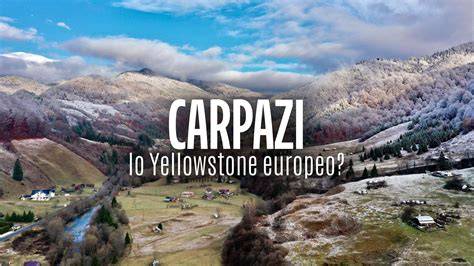
- Carpathia Wilderness Reserve in the Romanian Carpathians, being developed for National Park status by Fundatia Conservation Carpathia (FCC).
- Clima Carpathia - input to multinational trans-Carpathian protection concept being developed by FCC.
- “Wolf Mountains” - spanning 200,000 hectare potential linking East Slovakia/SE Poland/SW Ukraine with our partners Frankfurt Zoological Society.
- Hohe Tauern National Park, Austria - wilderness area designed around our definition and launched in 2021.
- Sumava/BayerischerWald National Park - promotion of a programme for protection advocacy, economic assessment and enterprise implementation.
- Bialowieza Forest - in Poland and Belarus, building on proposals for significant extension within Poland and trans-frontier to Belarus.
| Progetto | Caratteristiche indicate |
|---|---|
| Carpathia Wilderness Reserve | Riserva nei Carpazi rumeni in fase di sviluppo per lo status di parco nazionale. |
| Clima Carpathia | Concetto multinazionale di protezione transcarpatica. |
| Wolf Mountains | Potenziale area di 200,000 hectare tra Slovacchia orientale, Polonia sud-orientale e Ucraina sud-occidentale. |
| Hohe Tauern National Park | Area wilderness progettata sulla base della definizione Wild Europe e lanciata nel 2021. |
| Sumava/BayerischerWald National Park | Programma di rappresentanza per la protezione, valutazione economica e attuazione imprenditoriale. |
| Bialowieza Forest | Proposte di estensione in Polonia e collegamento transfrontaliero con la Bielorussia. |
5. Approcci socioeconomici non estrattivi
La quinta area di attività riguarda la costruzione di strumenti economici e imprenditoriali compatibili con la conservazione, senza basarsi sull’estrazione delle risorse naturali.
- Proposals for full activation of Payment for Ecosystem Services funding potential, including closely moderated incentivized private sector support.
- Proposals for innovative funding: identification and access to new sources, reform of existing instruments, codes of conduct.
- Support for reform of protection grants: adequate levels, simple administration, clear promotion.
- “Threefold support approach” to protection: targeted representation, economic assessment, enterprise implementation.
- A long-term legal protection mechanism for land tenure in the private sector.
- ANEEP (Assessment of Non-Extractive Economic Potential) consultation facility for assessing and securing protected area income potential for conservation [under assessment].
Il “Threefold support approach”
Il “Threefold support approach” riunisce tre componenti: la rappresentanza mirata per la protezione, la valutazione economica e l’attuazione imprenditoriale. L’approccio è stato proposto per il Parco nazionale del Pirin in Bulgaria e applicato al Parco nazionale di Sumava nella Repubblica Ceca.
La struttura collega quindi l’azione istituzionale, la conoscenza del potenziale economico e la realizzazione di iniziative concrete. L’obiettivo è sostenere la protezione attraverso strumenti comprensibili, amministrativamente praticabili e compatibili con la conservazione.
Payment for Ecosystem Services
Le proposte riguardano la piena attivazione del potenziale di finanziamento dei Payment for Ecosystem Services, compreso il sostegno incentivato del settore privato sottoposto a un’attenta regolazione.
Tra gli obiettivi rientrano anche l’identificazione di nuove fonti di finanziamento, la riforma degli strumenti esistenti, l’elaborazione di codici di condotta e la riforma dei contributi alla protezione, con livelli adeguati, amministrazione semplice e comunicazione chiara.
ANEEP
ANEEP (Assessment of Non-Extractive Economic Potential) consultation facility for assessing and securing protected area income potential for conservation [under assessment].
Lo strumento è concepito per valutare e garantire il potenziale di reddito delle aree protette a favore della conservazione, mantenendo un’impostazione economica non estrattiva.
Organizzazione e governance
The Wild Europe Foundation is chaired by Erika Vaida Bela (formerly Erika Stanciu - see below), who took over this role from Ladislav Miko former Head of Natural Environment at DG Environment in the European Commission.
Participants provide pro bono support and funding contributions. A Consultative Group under the Foundation provides advice and expertise for development of Wild Europe’s objectives and activities.
Erika Vaida Bela
Erika Vaida Bela has been a longstanding member of our core team since Wild Europe’s former launch in 2009. She now chairs the Foundation alongside her role as Chair of WCPA Europe.
She rejoined Wild Europe as our Head of Policy in 2020, following a role as Secretary of State for Forests in the previous Romanian government and subsequent development of the Propark Foundation training organisation, which she founded and chairs.
Before that, she was President of the Europarc Federation and Director of Retezat National Park in Romania, among other roles.
Rete della Fondazione
Organisations with which the Foundation networks include:
- Alterra Consultancy (Wageningen University & Research)
- Birdlife International
- CEEWeb
- Coordination Libre Evolution (CLE) France
- Conservation Capital
- Council of Europe
- CzechGlobe Foundation
- European Commission
- European Nature Trust
- European Wilderness Society
- Europarc Federation
- Frankfurt Zoological Society
- Fundatia Conservation Carpathia (Romania)
- Hnuti Duha (Friends of the Earth Czech Republic)
- Institute of European Environmental Policy (IEEP)
- IUCN Regional Office for Europe and Global
- IUCN France
- IUCN WCPA
- Lifescape
- Natuurmonumenten
- University of Oulu, Finland
- Rewilding Europe
- UNESCO
- Wilderness Foundation UK
- Wildland Research Institute
- Wild Heritage
- Wolf Foundation, Slovakia
- WWF Austria
- WWF Central and Eastern Europe
- WWF European Policy Office
- WWF France
- WWF Slovakia
La rete comprende organizzazioni di conservazione, istituzioni europee, università, fondazioni, enti di ricerca, associazioni impegnate nel rewilding e soggetti attivi nella gestione delle aree protette.
Distinzione rispetto al CEI elettrotecnico
Nel materiale disponibile, la sigla CEI compare anche in riferimento al Comitato Elettrotecnico Italiano, ma questo ambito è distinto dal tema Wild Europe. Grazie ad un recente accordo tra il CEI - Comitato Elettrotecnico Italiano e l’IEEE - Institute of Electrical and Electronics Engeneers, da oggi è possibile ricevere e acquistare (in euro) le normative IEEE dal CEI Webstore on line al link che trovate in fondo alla pagina.
L’IEEE è la più grande associazione professionale internazionale per lo sviluppo della tecnologia con sede a New York, particolarmente nota per le norme della serie IEEE 802.11 che definiscono standard di trasmissione per le reti WLAN.
Il CEI - Comitato Elettrotecnico Italiano lancia nel 2026 due nuove iniziative dedicate alla valorizzazione delle competenze e al rinnovamento generazionale.
Questi contenuti riguardano la normazione tecnica, le reti WLAN, le attività del Comitato Elettrotecnico Italiano e le iniziative professionali del CEI, mentre Wild Europe riguarda la protezione e il ripristino degli ecosistemi naturali europei.